


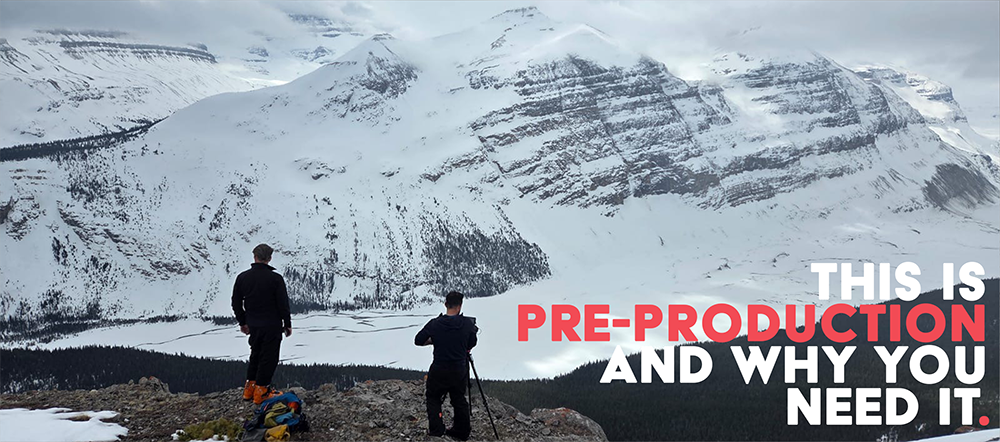
One of many location scouts for a documentary film now in production.
Behind every stunning commercial, compelling brand film, or unforgettable visual story is something most audiences never see, a carefully crafted pre-production strategy.
We often tell our clients that the most important part of any production happens long before the cameras start rolling. While production day tends to get all the attention, it’s the planning, preparation, and creative collaboration beforehand that determines whether a project simply gets completed or truly makes waves.
A strong pre-production process is the foundation that allows creativity to thrive, budgets to stay on track, and visions to become reality.
What Is Pre-Production?
Pre-production is the planning phase of a film, commercial, or video project. It’s where ideas are developed, logistics are organized, creative concepts are refined, and every detail is mapped out before entering production.
Think of it as creating the blueprint for a house. You wouldn’t begin construction without a plan, and the same principle applies to visual storytelling. The more thorough the preparation, the smoother and more successful the production becomes.
In fact, many industry professionals believe that pre-production accounts for up to 70% of a project’s overall success.
Great Productions Start with Great Planning
Some of the most iconic films and commercials are remembered not just for what happened on set, but for the incredible preparation that happened beforehand.
For The Matrix, the filmmaking team spent nearly a year designing and choreographing its groundbreaking “bullet time” sequences before filming began. The Lord of the Rings trilogy underwent years of pre-production to develop everything from locations and miniatures to costumes, languages, and battle planning, creating a seamless production across three films.
Commercials follow the same principle. Nike’s acclaimed You Can’t Stop Us campaign, created by advertising agency Wieden+Kennedy, involved sifting through over 4,000 hours of sports footage. The creative team spent months in pre-production reviewing and matching athletes’ movements frame by frame to create seamless split-screen sequences before the edit even began.
These productions may have had different budgets and ambitions, but they shared one thing in common, they invested heavily in planning before the cameras rolled.
Why Pre-Production Matters
Saving Time and Money
One of the biggest misconceptions about video production is that costs are driven primarily by filming days. In reality, unexpected challenges during production can quickly become expensive.
A detailed pre-production strategy helps identify potential obstacles before they happen. Whether it’s securing permits, coordinating talent schedules, planning for weather conditions, or confirming equipment requirements, solving problems during the planning phase is significantly more cost-effective than solving them on set.
When everyone knows the plan, production days become more efficient, reducing delays and maximizing every hour of shooting time.
Creating a Clear Creative Vision
Every great project starts with an idea. However, transforming that idea into a finished piece requires clarity.
During pre-production, creative concepts are developed into scripts, visual treatments, storyboards, and shot lists. These tools help everyone involved, from clients and producers to directors and crew members, understand exactly what the final product is intended to achieve.
This shared vision eliminates confusion and ensures that every creative decision supports the project’s goals.
At Angry Whale Media, we believe the strongest productions happen when collaboration and communication are prioritized from the very beginning.
Eliminating Guesswork
Successful productions aren’t built on assumptions.
Through detailed script breakdowns and planning sessions, we identify everything required for a project, including locations, equipment, talent, props, wardrobe, special effects, transportation, and crew requirements.
This process allows us to build realistic budgets, create accurate schedules, and prepare for the unexpected.
Rather than reacting to challenges as they arise, a strong pre-production strategy gives the team confidence to move forward with purpose.
Making the Most of Resources
Every production has resources to manage, time, budget, people, and equipment.
Pre-production allows these resources to be allocated strategically. Shooting schedules can be optimized around locations, talent availability, and environmental conditions. Equipment can be secured in advance, and crews can be assembled with the right expertise for the project.
The result is a production process that feels organized, efficient, and focused on delivering exceptional creative work.
What Happens During Pre-Production?
While every project is unique, most productions include several key stages.
Script Development and Project Planning
This is where ideas begin to take shape.
Whether we’re developing a commercial concept, branded documentary, or promotional film, the script becomes the foundation for everything that follows. It establishes the story, messaging, tone, and objectives of the project.
Once the creative direction is established, we break down every component needed to bring that vision to life.
Storyboarding and Shot Planning
Visual storytelling requires intention.
Storyboards and shot lists allow us to map out scenes before production begins. This process helps identify camera angles, movement, transitions, and visual opportunities that support the story.
By planning these elements in advance, production days become more focused and efficient.
Location Scouting
The right environment can transform a good story into a memorable one.
Location scouting involves finding spaces that support the creative vision while also meeting practical production requirements. Accessibility, lighting conditions, permits, logistics, and environmental considerations all play a role in selecting the ideal location.
Budgeting and Scheduling
A creative vision is only effective when it’s supported by a realistic plan.
Detailed budgets and production schedules ensure expectations align with resources. These tools help maintain transparency throughout the project and provide clients with confidence in the process.
Budgeting for Your Production
Building a production budget starts with understanding your goals. Whether you’re looking to grow brand awareness, launch a new product, or create content that delivers long-term value, having a clear objective helps shape the right approach.
From there, determine what you’re comfortable investing and be open about your budget. A good production company can recommend creative solutions that maximize your investment rather than simply trying to increase the scope of the project.
It’s also worth speaking with a few production companies. Share your goals and budget, then ask how they would use those resources to achieve the results you’re looking for. Their approach will often tell you as much about the partnership as the price itself.
Why Clients Should Care About the Process
For many clients, the pre-production phase can feel invisible because so much of the work happens behind the scenes. Yet this is often where the greatest value is created.
A thoughtful strategy protects budgets, strengthens creative outcomes, minimizes risk, and ensures everyone is working toward the same goal. It creates the conditions for a production experience that feels collaborative, enjoyable, and successful.
Creating Waves Starts Before the Camera Rolls
At Angry Whale Media, we don’t believe in creating common content.
We believe in uncovering unique opportunities, developing meaningful stories, and helping adventurous brands connect with audiences in authentic ways. That process starts with asking the right questions, challenging assumptions, and building a strong foundation before production begins.
Our team approaches pre-production as more than a checklist. It’s where strategy meets creativity, where ideas gain momentum, and where meaningful connections begin to take shape.
When the cameras finally roll, the goal is simple, every decision has already been made with purpose.
Because the best productions don’t happen by accident. They start with a plan.