


When clients begin planning a film, commercial, or branded content project, one of the first questions is often “Where does the budget actually go?”
It’s a fair question. Video production involves many moving parts, talented people, specialized equipment, creative development, and post-production expertise all working together to bring a vision to life. Understanding how a production budget is structured not only helps you make informed decisions but also provides transparency into the process behind creating exceptional content.
At its core, a production budget isn’t simply a list of expenses. It’s a strategic roadmap that ensures every dollar is working toward creating the highest-quality result possible while keeping the project on schedule and aligned with your goals.
Why Production Budgets Are So Important
A well-planned budget allows production teams to accurately forecast costs, allocate resources effectively, and avoid unexpected surprises throughout the project lifecycle.
Without proper budgeting, productions can quickly encounter challenges such as scheduling delays, equipment shortages, staffing issues, or compromised creative execution. A detailed budget provides clarity for both the production team and the client, ensuring expectations are aligned from day one.
More importantly, budgeting helps maximize value. It allows producers to identify where investment will have the greatest impact on the final product, whether that’s securing the right location, hiring specialized crew members, or allocating additional time for post-production.
The Three Main Areas of a Production Budget
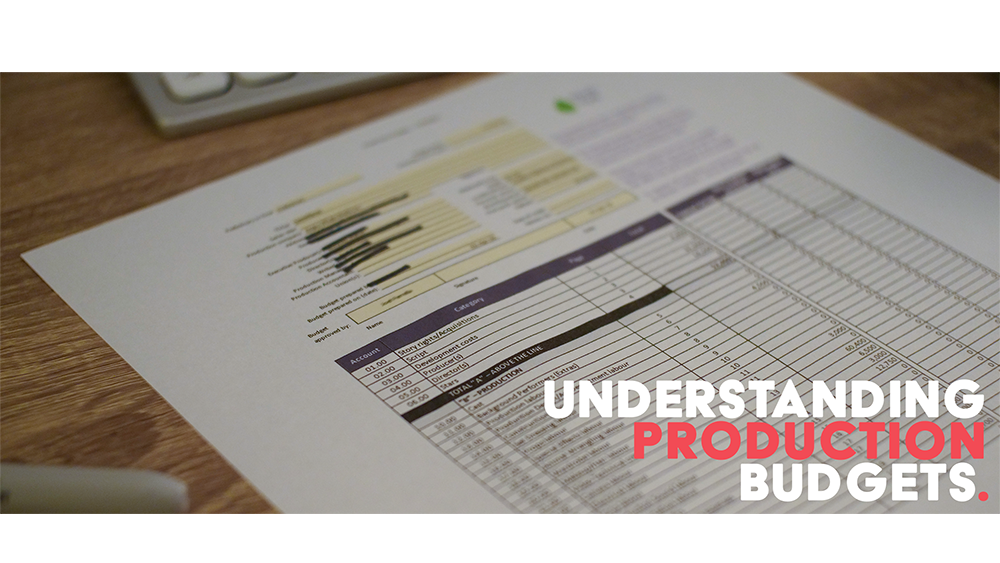
Most film and video productions organize budgets into three primary categories: Above-the-Line, Below-the-Line, and Post-Production.
Above-the-Line Costs: Building the Creative Foundation
Above-the-Line (ATL) costs cover the creative leadership and key talent responsible for shaping the project’s vision.
These expenses typically include:
- Producers
- Directors
- Writers
- Creative development
- Lead talent and actors
- Rights and licensing fees
These individuals establish the creative direction, storytelling approach, and overall strategy that guide the production from concept to completion. Depending on the scope of the project, Above-the-Line costs often account for approximately 25–35% of the total budget.
Investing in strong creative leadership can have a significant impact on the quality, effectiveness, and overall success of a project.
Below-the-Line Costs: Bringing the Vision to Life
Below-the-Line (BTL) costs represent the operational side of production and often make up the largest portion of the budget.
These expenses include:
- Camera crews
- Lighting and grip departments
- Sound technicians
- Makeup artists
- Production assistants
- Equipment rentals
- Location fees and permits
- Set design and props
- Wardrobe
- Catering and logistics
This is where the production plan becomes reality. Every shooting day requires careful coordination of people, equipment, transportation, locations, and resources.
Because these costs are directly tied to the production schedule, efficient planning can create substantial savings without sacrificing quality.
Post-Production Costs: Where the Story Comes Together
Many people assume filming is the most expensive part of a project. In reality, some of the most important work happens after the cameras stop rolling.
Post-production includes:
- Video editing
- Motion graphics
- Visual effects (VFX)
- Colour grading
- Sound design
- Music licensing
- Audio mixing
- Final delivery and formatting
This phase transforms raw footage into a polished final product that engages audiences and achieves business objectives.
Post-production typically accounts for 20–25% of a project’s budget and is often underestimated during early planning stages.
The Often-Overlooked Costs
Beyond the major production phases, several essential budget items help protect the project and ensure smooth delivery.
Contingency Planning
Every production faces variables, weather delays, equipment issues, location changes, or unexpected scheduling challenges.
For this reason, most professional productions allocate approximately 10% of the total budget as a contingency fund. This provides flexibility and reduces risk when unforeseen circumstances arise.
Insurance and Administration
Production insurance, permits, legal requirements, and administrative support may not be the most visible parts of a project, but they’re critical for protecting both the production team and the client.
These costs help ensure compliance, safety, and operational efficiency throughout the production process.
Why Transparency Matters
One of the biggest frustrations clients experience is not understanding how production costs are calculated.
A detailed budget creates transparency by clearly showing where resources are being allocated and how those investments contribute to the final result.
When clients understand the relationship between budget, production quality, timeline, and deliverables, they can make more confident decisions about priorities and project scope. The goal is to spend the money strategically.
How Angry Whale Media Approaches Production Budgeting
At Angry Whale Media, we believe that every project should begin with clarity, collaboration, and purpose.
As a creative collective producing films and commercials, we approach budgeting as an extension of the creative process. Our team works closely with clients to understand their objectives, identify opportunities, and develop production plans that maximize both impact and efficiency.
We know that common is boring. That’s why we don’t believe in cookie-cutter production models or one-size-fits-all budgets. Every project is unique, and every budget is built around the specific goals, audience, and story we’re helping bring to life.
Our adventurous and innovative approach means we’re constantly exploring new ways to create meaningful work while maintaining transparency and accountability throughout the process.
Whether we’re producing a cinematic brand film, a commercial campaign, or a documentary-driven story, our focus remains the same: delivering exceptional creative results while ensuring clients understand exactly where their investment is going.
Investing in Great Storytelling
A production budget is more than a collection of numbers. It’s a blueprint for turning ideas into experiences that connect with audiences and inspire action.
When thoughtfully planned and strategically managed, a budget becomes one of the most powerful tools in the production process. It allows creative teams to focus on what matters most, telling compelling stories, creating memorable experiences, and producing work that makes waves.